
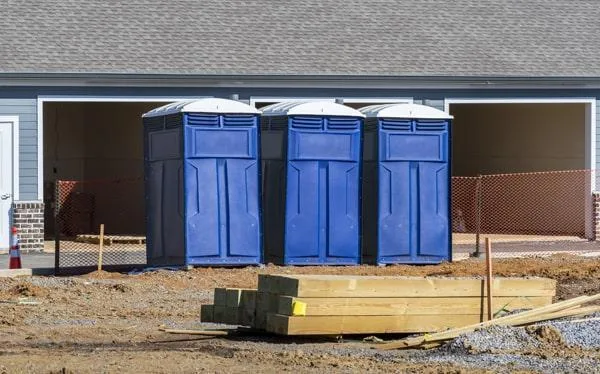
Keep the facilities useful as the job moves
The first receiving location may not remain suitable when a work area, gate or material laydown changes. Identify where the users now work and explain the proposed arrangement to the rental contact. A unit that remains onsite but cannot be reached does not serve the crew.
Review the equipment functions as well as its position. Standard toilets and independent washing serve different needs; accessible-use requirements remain part of the actual setup. A change to one item should not unintentionally remove another facility that workers rely on.
Use the site contact to keep service accurate
The contact should know which equipment is on hire, where it stands and what cleaning, replenishment and waste care have been arranged. Report a fault or changed use with enough detail to identify the affected unit and required attention.
Keep service approaches open at the agreed times. If a closure or obstruction prevents access, raise it before the visit where possible. Do not assume that the next scheduled visit resolves a missed service or that a change in working hours is automatically known to the provider.
Close the rental when the users are finished
Late trades, inspections and cleanup can keep people onsite after the main workforce has gone. Identify which facilities remain necessary and which can be collected. Discuss any reduction or extension against the actual remaining use.
Request or update the arrangement with the location, expected dates and onsite contact. Confirm the care and collection attached to the final period. Treat the last days as an occupied part of the job, not simply an equipment-removal date.